
10 Signs You Need Emergency Orthodontic Care
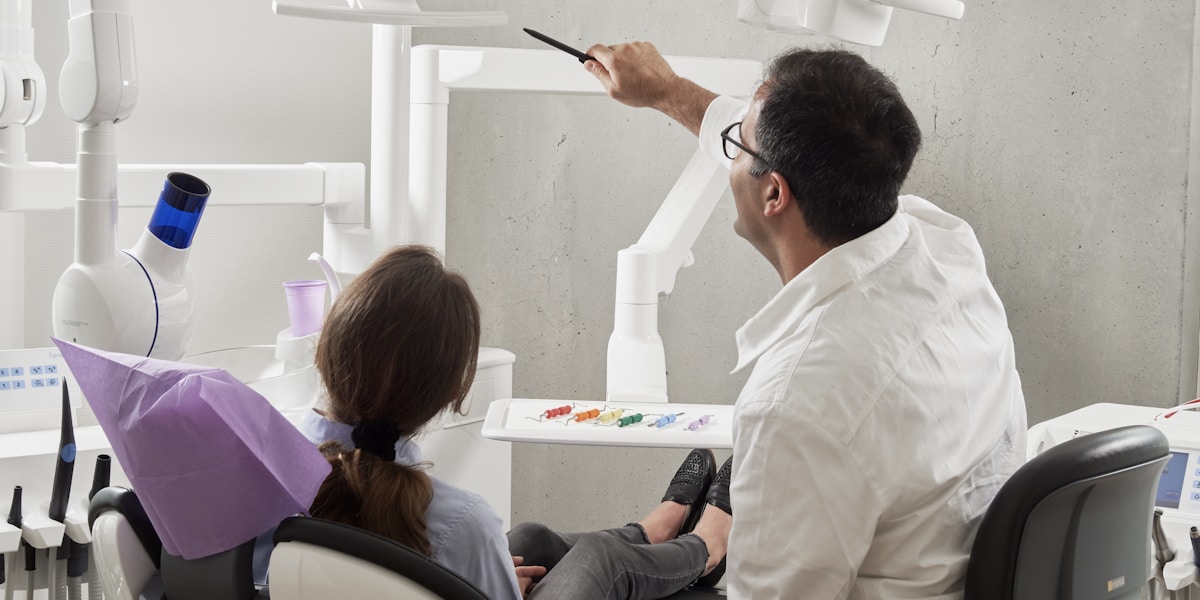
How do you know if you need emergency orthodontic care? Severe pain is definitely a clear indicator, but it's not the only sign. Whether you're wearing braces, Invisalign aligners, or have recently completed orthodontic treatment, certain situations require immediate professional attention.
If you're experiencing any of the following ten signs, don't wait. Timely care is essential when it comes to orthodontic emergencies! Contact Grand Oaks Orthodontics right away at (289) 725-8200 for emergency orthodontic care in Oakville.
1. You Have Broken or Loose Braces
Broken brackets, loose bands, or protruding wires aren't just uncomfortable—they can damage the inside of your cheeks, gums, and tongue. When your braces break, it also disrupts the carefully planned teeth straightening process that Dr. Sood has designed specifically for your smile.
A loose bracket might seem minor, but it can extend your treatment time significantly if not addressed quickly. The bracket isn't applying the necessary pressure to move your tooth, which means that tooth isn't progressing as planned. Contact our Oakville orthodontic office immediately so we can schedule a repair appointment.
Temporary Relief:
If a wire is poking you, try using orthodontic wax to cover the sharp end until you can get to our office. This provides temporary comfort but isn't a substitute for professional repair.
2. You're Experiencing Severe Tooth or Jaw Pain
Some discomfort after an orthodontic adjustment is completely normal. You might feel tenderness for a day or two after getting your braces tightened or switching to a new set of aligners. However, severe and persistent pain that lasts more than a few days is not normal and requires immediate attention.
Severe pain can indicate several serious issues: an infected tooth, problems with your jaw joint (TMJ), or even an abscess. If the pain keeps you awake at night, makes it difficult to swallow, or comes with swelling and fever, you need emergency care right away.
Don't try to push through severe pain or rely solely on over-the-counter pain relievers. These symptoms could point to a condition that needs professional treatment to prevent more serious complications.
3. You Have a Knocked-Out or Loose Permanent Tooth
A wiggly tooth might be exciting for kids, but adult teeth should never move around loosely. If you're undergoing orthodontic treatment in Oakville and one of your teeth becomes loose or gets knocked out, this is a true dental emergency.
Several factors can cause a permanent tooth to become loose—sports injuries, car accidents, falls, or even biting down on something hard. Whatever the cause, a loose adult tooth won't fix itself and requires immediate professional care.
If your tooth has been completely knocked out, time is critical. Pick it up by the crown (not the root), rinse it gently with water if it's dirty, and try to reinsert it into the socket if possible. If you can't reinsert it, keep the tooth in a cup of milk or saliva. Get to our office within 30-60 minutes for the best chance of saving the tooth.
4. You Have a Cracked, Chipped, or Broken Tooth

A cracked, chipped, or broken tooth is a serious orthodontic emergency, especially if you're currently wearing braces or have recently completed treatment. The timing matters because orthodontic treatment can temporarily weaken tooth structure as teeth are being moved.
When a tooth fractures, the living tissue inside the center of your tooth (called the pulp) may become exposed. If this happens, bacteria can enter and cause an infection. Without quick treatment, you might need a root canal or even a complete tooth extraction.
Additionally, a broken tooth can affect your bite alignment and potentially compromise the orthodontic work you've invested in. Contact Grand Oaks Orthodontics immediately if you crack or break a tooth during or after treatment.
5. Your Gums Are Swollen, Bleeding, and Painful
Let's be honest—if you're not perfect with your oral hygiene routine while wearing braces, you might notice some minor bleeding when you brush or floss. That's actually pretty common and usually improves as you get better at cleaning around your brackets and wires.
However, if your gums are severely swollen, bleeding heavily, or causing significant pain, this could indicate gingivitis, advanced gum disease, or even a dental abscess. These conditions can compromise your orthodontic treatment and your overall oral health.
Contact our Oakville office immediately if your bleeding gums are accompanied by fever, chills, swelling, or pus. These symptoms often point to an infection that needs urgent treatment to prevent it from spreading to surrounding teeth, jaw bone, and gum tissue.
6. You've Lost a Filling, Crown, or Temporary Restoration
Many orthodontic patients need additional dental work during or after their treatment. If you lose a filling, crown, or temporary restoration while undergoing orthodontic care, it's important to address it quickly.
These restorations serve multiple purposes: they restore the look and function of damaged teeth, prevent reinfection, and protect against further damage. If you taste metal in your mouth or feel a rough edge on a tooth that was previously smooth, your filling may have cracked or fallen out.
Without prompt treatment, the exposed tooth is vulnerable to decay and infection. This can complicate your orthodontic treatment plan and potentially extend your time in braces or aligners.
7. You Have a Dental Abscess
A dental abscess is a serious infection that forms at the root of a tooth or in the space between teeth and gums. This is one of the most urgent orthodontic emergencies and needs immediate treatment by Dr. Sood at Grand Oaks Orthodontics.
If left untreated, the infection will spread to surrounding teeth, your jaw, and gum tissue. The affected tooth will continue to decay and may eventually fall out. Even more concerning, untreated infections can enter your bloodstream and spread to other parts of your body, potentially causing serious health complications.
Dental abscesses often result from severe gum disease, untreated cavities, or sometimes from trauma to a tooth (like a chip or break). Warning signs include severe pain, fever, a swollen gum line, pus, and a pimple-like bump on your gums. If you notice these symptoms, call our office immediately.
8. You Have a Stubborn Sore or Growth in Your Mouth
When you first get braces, it's normal to develop a few canker sores or irritated spots as your mouth adjusts to the brackets and wires. These typically heal within a week or so as your cheeks and lips toughen up.
However, a sore or growth that lingers for more than two weeks, keeps getting bigger, or comes with fever and swelling could indicate something more serious. While rare, oral cancer is a possibility, especially for sores that don't respond to normal treatment.
Even if it's not cancer, a persistent sore might signal an infection, an allergic reaction to your orthodontic materials, or a chronic condition that needs attention. Don't ignore stubborn mouth sores—let our team evaluate them to ensure they're not a sign of a more serious problem.
9. Your Jaw Is Swollen or Severely Painful
It's common for your jaw to feel a bit sore after an orthodontic adjustment, especially if you're correcting a significant bite issue. This mild discomfort typically resolves within a day or two with over-the-counter pain relief and soft foods.
However, if you're experiencing unexplained jaw swelling or severe pain that isn't related to a recent adjustment, there may be an infection or TMJ disorder developing. Seek immediate emergency orthodontic care if your swollen jaw is accompanied by fever, a bad taste in your mouth, difficulty breathing, or trouble opening and closing your mouth.
Jaw pain can also indicate that your orthodontic treatment plan needs adjustment. Sometimes, as teeth move into new positions, the bite relationship changes and can create jaw joint stress. Dr. Sood can evaluate your situation and make necessary modifications to your treatment.
10. Your Retainer Is Broken or Doesn't Fit Anymore
If you've completed your orthodontic treatment with braces or Invisalign, your retainer is essential for maintaining your beautiful new smile. When your retainer breaks or suddenly doesn't fit properly, this is an orthodontic emergency that needs immediate attention.
Teeth can shift surprisingly quickly once your braces come off—sometimes in just a matter of weeks. If your retainer is broken or lost, your teeth may start moving back toward their original positions, potentially undoing months or even years of orthodontic work.
Similarly, if your retainer suddenly feels tight or doesn't fit properly, it means your teeth have already shifted. The longer you wait to address this, the more your teeth will move, and the harder it will be to correct the problem without starting additional orthodontic treatment.
Contact Grand Oaks Orthodontics immediately if your retainer is damaged or doesn't fit. We can often create a new retainer quickly, and the sooner we address the issue, the better chance we have of preserving your orthodontic results.
Choose Grand Oaks Orthodontics for Emergency Orthodontic Care in Oakville
An orthodontic emergency can be painful, scary, and extremely time-sensitive. Whether you're dealing with broken braces, severe tooth pain, or a retainer that doesn't fit, it's crucial to seek professional attention as soon as possible. Quick action can minimize damage, reduce discomfort, and protect the investment you've made in your smile.
Dr. Sood and the team at Grand Oaks Orthodontics have been providing professional emergency orthodontic care in Oakville for over 20 years. We offer high-quality, timely, comfortable, and transparent treatment using the latest modern technology. Our staff are knowledgeable, experienced, and ready to help you during orthodontic emergencies.
We serve patients throughout Oakville, Mississauga, Burlington, Milton, Stoney Creek, and Hamilton. With flexible scheduling options including evening appointments, we work hard to accommodate emergency situations and get you the care you need when you need it.
Experiencing an Orthodontic Emergency?
Call Grand Oaks Orthodontics immediately at (289) 725-8200
Located at 216 Oak Walk Dr #2, Oakville, ON L6H 0H4
Book Your ConsultationPreventing Orthodontic Emergencies
While some orthodontic emergencies are unavoidable, many can be prevented with proper care and precautions:
- Follow dietary restrictions: Avoid hard, sticky, and chewy foods that can damage braces and brackets
- Wear a mouthguard: If you play sports, wear a protective mouthguard designed for braces
- Maintain excellent oral hygiene: Brush after every meal and floss daily to prevent infections and decay
- Attend all scheduled appointments: Regular check-ups allow Dr. Sood to catch potential problems early
- Wear your retainer as directed: After treatment, consistent retainer use prevents teeth from shifting
- Keep orthodontic wax handy: Have wax available for minor irritations before they become emergencies
- Don't ignore minor issues: Small problems often become bigger if left unaddressed
Frequently Asked Questions About Orthodontic Emergencies
What should I do if a bracket comes off on the weekend?
Keep the bracket safe if it's completely detached. If it's still attached to the wire, use orthodontic wax to secure it in place temporarily. Call our office first thing Monday morning, or if you're experiencing severe pain or bleeding, contact our emergency line.
Is it normal for my teeth to feel loose during orthodontic treatment?
A very slight looseness can be normal as teeth move through the bone during treatment. However, if a tooth feels significantly loose or wobbles noticeably, contact our office right away. This level of movement isn't typical and needs evaluation.
Can I cut a poking wire myself?
We don't recommend cutting wires yourself, as you might accidentally swallow the piece or cut your mouth. Instead, try to push the wire flat against your tooth using a pencil eraser, then cover it with orthodontic wax. Contact our office to schedule a repair appointment.
How quickly do teeth shift after losing a retainer?
Teeth can begin shifting within just a few days of not wearing your retainer, especially in the first year after treatment. The longer you go without your retainer, the more shifting will occur. Contact us immediately if you've lost or broken your retainer.
Remember, when it comes to orthodontic emergencies, it's always better to call and ask than to wait and risk complications. Our team at Grand Oaks Orthodontics is here to help you maintain your oral health and protect your orthodontic investment.
For emergency orthodontic care in Oakville, call Grand Oaks Orthodontics at (289) 725-8200 or contact us online.