© 2026 Grand Oaks Orthodontics

If you’re here for a clear plan, here’s why it matters: about 47% of adults 30+ have periodontal (gum) disease, per the U.S. Centers for Disease Control and Prevention (CDC), and it’s a leading cause of adult tooth loss, says the American Academy of Periodontology (AAP). On a QEW commute you nurse a Kerr Village coffee, see pink in the sink, and shrug. We see this daily. Common? Yes. Normal? No.
Nearly half means it’s likely in your circle: your teen’s braces bleed after hockey at Sixteen Mile, or pregnancy leaves gums puffy and sore. You assume it’s “just part of it” and carry on. It’s inflammation you can control with early care, better home tools, and coordinated visits. We’ll help.
So what exactly is gum disease, how does it move from gingivitis (gum irritation) to periodontitis (bone loss), and what can you do right now in Oakville? The good news: with the right plan, it’s preventable, treatable, and safe to pair with orthodontics. Let’s map it out.
Let’s map it out by starting simple: plaque biofilm (a sticky layer of bacteria) irritates gums, causing gingivitis (red, swollen, bleeding gums). Left untreated, the infection can reach the supporting bone—periodontitis—where tissue and bone break down. Gingivitis is usually reversible; periodontitis isn’t, but it’s controllable with care. Gum health also links with diabetes control, pregnancy changes, and heart health; we’ll cite trusted sources below.
What matters day to day? It’s the frequency of sugar and starch hits, not one latte, that feeds plaque. Winter heat dries your mouth, and certain meds (like antihistamines) reduce saliva—both raise risk. Inflamed gums slow orthodontic tooth movement, increase tenderness, and can invite recession. So we stabilize first: gentle gum measurements, X‑rays if needed, a bleeding score, and photos for baseline. Goal: control infection and protect bone.
In Oakville, busy days around Trafalgar, Dundas, and Lakeshore mean coffee sips and snack breaks that keep plaque active. The upside: Halton Region’s dental network makes early care easy. Routine hygiene visits every 3–4 months catch issues early; we coordinate with your dentist.
At home, early gum inflammation is often painless, so you shrug it off. Start by scanning for these small changes during your nightly brush—they’re the body’s early alarms.
If these early signs linger, disease can progress into the deeper tissues. Watch for these red flags—if you notice any, it’s time for a professional exam and imaging.
On a chilly Glen Abbey morning, you jog along Sixteen Mile Creek, rinse in the shower, and see pink in the foam. You swap to a minty rinse, feel fresher, and move on. A week later, floss catches blood again. That’s inflammation—not just winter—asking for care.
Delay lets plaque mature into a tougher biofilm, then harden into tartar (calculus) that locks under the gumline. That triggers pockets—gaps where bacteria thrive and toothbrushes can’t reach. Mouthwash helps breath, not removal. Tobacco, uncontrolled diabetes, and dry‑mouth meds magnify damage. Professional debridement (thorough cleaning above and below the gums) is what resets the system.
Meanwhile, each day of frequent snacks or sipping coffee keeps biofilm fed, and within days soft plaque mineralizes again after you’ve brushed. Dry winter air and mouth-breathing at night worsen it. You can’t scrape calculus off safely at home. Timely scaling and root planing smooths roots, reduces pockets, and gives your home routine a fair chance.
To see where you are—and what to do at each stage—use the quick map next: healthy, gingivitis, early periodontitis, and advanced, with timelines and care.
Picking up from above, scan left to right: stage, common signs, whether it’s reversible, typical Oakville care, and the goal—then we’ll personalize your plan next.
| Stage | Common signs | Reversible? | Typical care in Oakville | Goal |
|---|---|---|---|---|
| Gingivitis | Red, bleeding gums; puffy margins | Yes, with care | Pro cleanings, improved home care, targeted coaching | Calm inflammation and restore health |
| Periodontitis | Recession, deep pockets, loose teeth | No, but it can be controlled | Scaling and root planing; possible surgical referral | Reduce pockets, stop progression, preserve teeth |
So how do we actually reduce pockets, stop progression, and preserve teeth? We start with a calm, no-judgment assessment: periodontal charting (six gentle measurements per tooth to record pocket depths), a bleeding index (your “bleeding score”), and photos for a baseline. If needed, we take targeted X‑rays to check bone levels. Then we review real-life risks—coffee sipping, frequent snacks, dry mouth from antihistamines, diabetes—and build a simple, collaborative plan you can stick to. Comfort comes first.
Before you leave, we translate the numbers into clear next steps: what to do morning and night, which tools fit your mouth (electric brush, interdental brushes, water flosser), and a timeline. Expect a re‑check in 6–12 weeks; we’ll aim to move your bleeding score, for example, from 24% to under 10%. You’ll get photos and a written plan, plus text check-ins if something flares. No surprises—estimated fees and visit counts are reviewed up front.
As an orthodontic practice, we don’t replace your dentist—we partner. We screen and co‑manage gum health, coach your home care, and pace tooth movement to your tissue health. Cleanings and periodontal therapy happen with your Oakville/Halton dentist or periodontist; we share records, photos, and timelines so everyone rows together. If advanced care is needed, we make a warm handoff and sync follow‑ups. Next, here’s what non‑surgical care looks like.
Before anything starts, we explain what's happening, why we recommend it, alternatives, timelines, and total costs. You'll see your plan in writing, with photos and numbers, and you can pause to ask questions at every step. No surprises.
Because there are no surprises, we start with conservative, non‑surgical steps that calm inflammation and build a foundation. They clean above and below the gums, coach your routine, and set up a 6–12 week re‑check.
Comfort first: we use topical gel or local anesthesia as needed. Deep cleaning is often split into two to four visits so you can stay comfortable and functional. Expect minor tenderness or cold sensitivity for 24–48 hours; manage with gentle brushing, warm salt‑water rinses, a desensitizing toothpaste, and over‑the‑counter pain relief. Wearing aligners? Clean trays well; with braces, we’ll show extra steps around brackets.
Even after those comfort-first cleanings and your new routine around brackets or aligners, a few areas may still bleed or pockets (deeper spaces between tooth and gum) stay 5–6 mm+. That’s when we bring in a Halton periodontist. Most care stays non‑surgical; referrals are targeted. They handle pocket reduction surgery (reshaping gum and bone), gum grafting (adding tissue to cover roots), and regenerative/bone grafting (encouraging bone to regrow in defects) so you keep function, comfort, and future implant options.
What changes after that? Expect 1–2 focused visits with local anesthesia (numbing), stitches for 7–10 days, and mild tenderness managed with over‑the‑counter pain relief. Typical gains: pockets drop from 6–7 mm to 3–4 mm in treated sites, roots are covered by added tissue where possible, and looseness stabilizes. That stability protects chewing comfort now and keeps options open later—moving teeth safely or planning an implant only if a tooth can’t be saved.
We handle the warm handoff: we share your charting, bleeding score, photos, and X‑rays, plus a summary of your goals and timing. Your periodontist updates us after each visit, and we adjust orthodontic timing together. If surgery happens, we pause movement, schedule 6–12 week healing checks, and resume when stable. One plan, three teams, no gaps.
With one plan and three teams aligned, here’s your real‑world timeline. Timelines vary, but this is the typical Oakville flow from first call to stable gums.
Step 1: Assessment — full exam, periodontal charting, bite review (Week 1)
Step 2: Non-surgical Therapy — scaling and root planing in 1–2 sessions (Weeks 1–3)
Step 3: Re-evaluation — healing check, bleeding index, home-care tune-up (4–8 weeks)
Step 4: Advanced Referral (If Needed) — coordinated periodontist visit (as indicated)
Step 5: Maintenance — 3–4 month periodontal cleanings and ongoing coaching (long-term)
So what does Step 5 look like day to day? Alex from River Oaks came in worried about pink floss and coffee breath. We measured a 28% bleeding score and four sites at 5–6 mm pockets (deep spaces where bacteria hide). He had scaling and root planing (deep cleaning below the gums), plus coaching: electric brush, size‑2 interdental brushes, and a nightly water flosser. At 8 weeks, bleeding dropped to 7% and those pockets improved to 3–4 mm. He felt less tenderness and could floss without seeing red.
From there, we focused on maintenance: cleanings every 4 months, quick photo check‑ins, and steady home habits. At 6 months, Alex’s bleeding score held at 5%, breath stayed fresh, and pockets stabilized at 3–4 mm. The crowding that made cleaning awkward started to ease as we prepared for tooth movement. He told us morning routines felt faster, and he could jog the River Oaks trail without gum soreness after. Confidence shows up in small moments—smiling on Zoom, saying yes to photos. With stable gums, we mapped the next step toward alignment safely and set expectations for keeping everything healthy while teeth move.
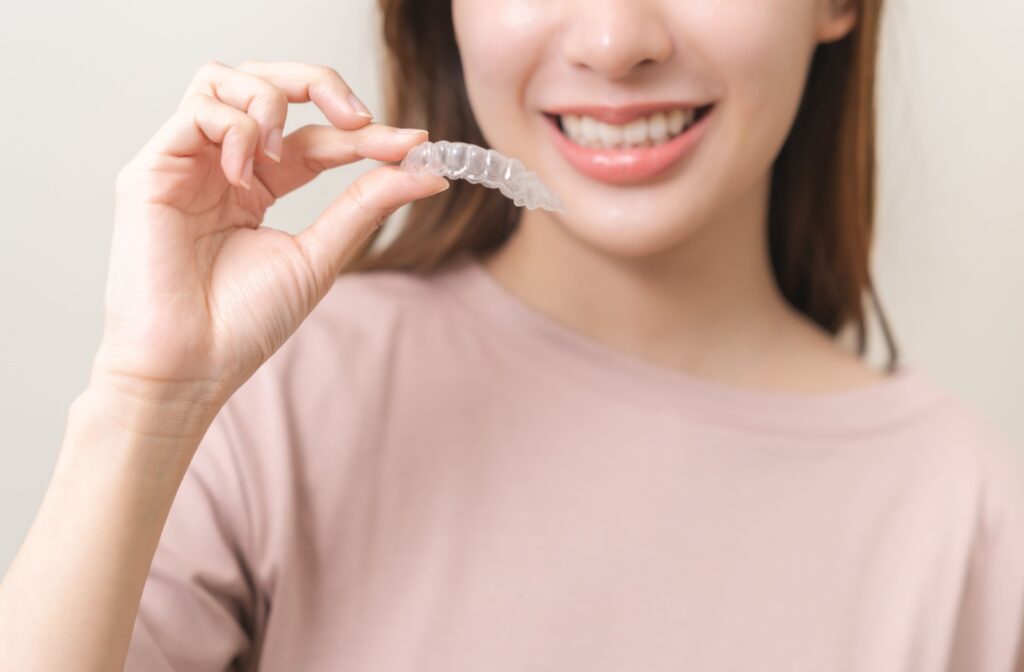
With stability confirmed, Alex started aligners through Invisalign in Oakville—disciplined wear, daily tray cleaning, and the same gum routine. Teeth moved, gums stayed healthy, and we checked pockets and bleeding at every visit.
Teeth are moving and gums are healthy—so how do you keep it that way with aligners or brackets? Use these practical habits to lower inflammation and keep treatment on schedule.
If brackets are in your future, see how we protect gum health with our braces approach—learn more about braces in Oakville and the tools we recommend before you start. Next up: simple daily prevention you can start tonight.
You asked for simple daily prevention—here’s the short list we give patients right before braces or aligners. Small, consistent moves add up in 6–8 weeks.
Even with those daily habits, a sudden flare can happen. Treat urgent signs fast and do these before you’re seen; if symptoms escalate, call us now. Scroll next for quick FAQs.
If you have facial swelling, fever, pus, or trouble swallowing, that’s an emergency—call us or your Oakville dentist now. If gums bleed when brushing, feel puffy, or your breath is off, book a gum assessment within days. Quick example: pink floss without pain usually isn’t an ER visit, but it does need a timely check so it doesn’t progress.
Gingivitis (gum inflammation) is typically reversible in 2–6 weeks with better home care and a professional cleaning. Periodontitis (bone loss around teeth) isn’t reversible, but it’s controllable with scaling and root planing plus maintenance. Think: calm it down, then keep it stable. We’ll tell you exactly where you are at your assessment.
Most people stabilize in 6–12 weeks: assessment in week 1, deep cleaning over 1–2 visits, then a healing check at weeks 6–12. From there, maintenance every 3–4 months keeps you on track. Orthodontic treatment can start or continue once bleeding drops and pockets improve—usually by the 2–3 month mark when home care is consistent.
A regular cleaning removes soft plaque and tartar above the gumline—great for healthy or mildly inflamed gums. A deep cleaning (scaling and root planing) numbs the area and removes buildup below the gumline, then smooths roots so gums can reattach. We target sites with pockets 4 mm or deeper. It’s done in sections for comfort.
No referral is needed to see us for an assessment—we’ll loop in your Oakville dentist. If you need a periodontist (gum specialist), we’ll provide a referral and share records. Coverage varies, but many plans include hygiene visits and periodontal therapy codes; we’ll check benefits, submit estimates, and help you avoid duplicate fees between offices.
Yes—once gums are stable. We reduce bleeding first, re-check pockets, then choose the right approach: aligners make hygiene easier; braces work well with extra tools (interdental brushes, water flosser). If inflammation returns, we pause, treat, and resume. You move faster—and safer—on healthy gums. Want to read more? We list trusted sources next.
You asked for trusted sources—here are the up-to-date references we use when diagnosing, planning, and explaining gum care in Oakville.
You’ve seen the trusted sources—now let’s turn them into your plan. Book your Gum Health Check in Oakville for friendly, judgment‑free care near Trafalgar and Lakeshore. In one visit, we’ll capture photos, measure a bleeding score, and map simple steps you can actually keep. We coordinate with your family dentist and trusted Halton periodontists when needed, so there’s no guesswork—just a clear path to calm, healthy gums.
Prefer low‑friction scheduling? We offer convenient hours and quick text support for questions between visits. You’ll leave with a written plan, tool recommendations, and a realistic timeline, then return for a 6–12 week check to confirm progress. If gum disease is more advanced, we’ll line up a warm specialist handoff. Ready for relief and results? It takes just a moment to schedule.
Let’s discuss your test plan
(No Dentist Referral Required)
© 2026 Grand Oaks Orthodontics
Adding {{itemName}} to cart
Added {{itemName}} to cart