© 2026 Grand Oaks Orthodontics

Dry mouth, cold zingers, aligner funk in Oakville’s winter? We’re your local orthodontic team with simple fixes and a step-by-step plan—book a smile check if this sounds familiar.
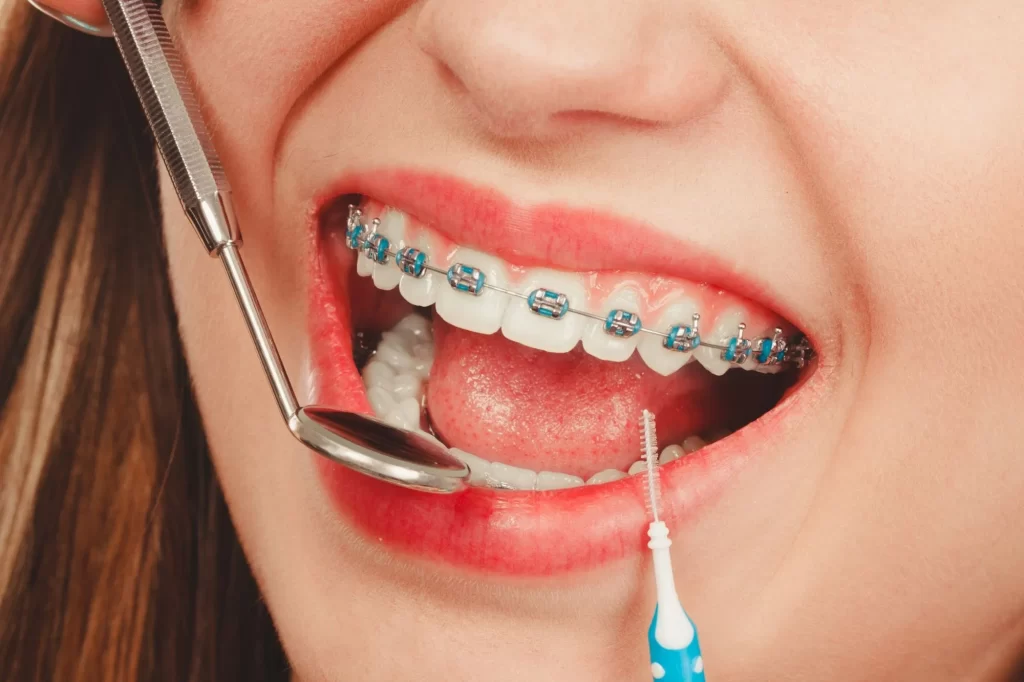
If that sounds familiar, picture this on Lakeshore: you step into a lake-effect gust at Bronte Harbour, inhale, and a quick, icy zing shoots through an upper tooth. Your lips tighten, your mouth feels desert-dry, and your aligner suddenly grips. Does winter feel harsher on your teeth and gums? Why does Oakville air hit your smile like that?
Or it’s the Glen Abbey rink: you cheer from the bleachers, breathe through your mouth in the cold, and your braces catch that sharp chill. The hot cocoa you sipped on the way in clings around brackets, while your aligner feels oddly dry by the third period. Is winter quietly changing what’s happening on your teeth—and why now?
Let’s unpack the Oakville-specific culprits: lake-effect wind, bone-dry arenas, car heaters, low home humidity, and sugary sips that linger—together they dry your mouth, stress appliances, and raise white-spot risk.
You just named the culprits—wind, arenas, heaters, low humidity—so let’s map how they dry your mouth here in Oakville. Cold air simply holds less moisture, so every inhale strips water from your lips and tissues. Lake-effect gusts off the lake magnify exposure on Lakeshore and Bronte. Then we head indoors. Forced-air furnaces drop indoor relative humidity, and we spend more hours inside. Result: thinner saliva film, stickier plaque, and appliances that feel rough. That’s the chain reaction.
In River Oaks and Iroquois Ridge, tightly sealed windows are great for energy savings but trap bone-dry air during long furnace cycles. Kerr Village condos feel it too—smaller spaces heat fast, then cool, then reheat. On school runs and GO Train commutes, car heaters blow air that’s near zero humidity. Keep a refillable water bottle in the console, and aim home humidity for 30–50% relative humidity. A quick nightly humidifier refill becomes a winter habit worth keeping.
For the record, Halton Region tap water follows Health Canada standards and is safe year-round. What you’re feeling now is dryness, not a water-quality issue. Next, we’ll show how saliva protects enamel—and what happens when winter slows it down.
Saliva is your built‑in bodyguard: it buffers acids, brings minerals back to enamel (remineralizes, meaning repairs early soft spots), clears food, and keeps bacteria in check. When air is dry and you mouth-breathe at the rink or overnight, flow drops. That’s why you wake up with a sticky tongue, a sore, scratchy throat, and breath that feels off even after brushing. We hear it every January in Oakville—students after morning skates, parents after late commutes, teachers after long days in heated classrooms. Less saliva means food lingers around brackets and attachments, and aligners feel tight and dry. Everything gets tacky.
When saliva slows (xerostomia, the clinical term for dry mouth), plaque grows faster because there’s less natural rinsing and fewer protective minerals. That raises your risk of white spots around brackets and cavities between visits. Taste can feel dulled or salty, and spicy or acidic foods sting more. Overnight is the perfect storm: long furnace cycles, closed mouths that open from congestion, and eight hours without drinking. Wakeups at 3 a.m. often come with a parched tongue and stringy saliva. Repeat that for a few weeks, and we start to see early changes on enamel during your check—nothing scary yet, but a clear trend we can reverse.
Here’s a quick check of winter dry-mouth signs we hear around Oakville.
Bottom line: with less saliva, enamel loses its shield and tiny tubes in teeth are exposed—so the next cold gust or sip can trigger that zing. Let’s talk sensitivity next.
On frigid walks along Lakeshore Road, teeth and fillings expand and contract with temperature swings. That flex can open micro‑fissures (tiny cracks) in enamel and expose dentin, the sensitive layer that carries sensations to the nerve. If you’ve scrubbed with a hard brush or whitening pastes, you’ve likely thinned enamel further. Acidic sips—cider, lemon tea, sports drinks—soften enamel temporarily, making it easier for cold to bite. Add winter’s vitamin D dip (less sun means slower remineralization, the rebuild of lost minerals) and you get a perfect setup for zingers. Braces and attachments can trap acids longer; aligners can hold warm breath, then feel icy the moment you step outside.
What usually triggers it? A deep inhale of cold air, a sip of hot chocolate after being outside, or switching temperatures too fast. Intermittent, short zings that fade in seconds usually point to sensitivity, not a cavity. Lingering, throbbing, or one-tooth pain that wakes you at night is different—that can signal decay, a crack, or a nerve issue. If sensitivity keeps returning despite fluoride toothpaste and gentle brushing for a week, we want to see you. Early tweaks work best: desensitizing toothpaste, fluoride varnish, bite and brushing coaching, and appliance checks to rule out a loose bracket or an edge irritating the area.
Sharp, persistent, or one‑tooth pain is not a wait-and-see issue. If you feel swelling, heat, or pain that lasts more than a day, contact us or use our Emergency Dentist in Oakville page for fast guidance and care.
Emergencies deserve a call—no question—but many winter “mystery aches” start with colds, flu, or sinus pressure. When your sinuses swell, they press on the roots of your upper back teeth (maxillary molars—right under the sinus), which can mimic a toothache. Bend forward and it throbs? That points to sinus, not a cavity. Congestion pushes you into mouth breathing, drying saliva and irritating cheeks and lips—especially around braces. Fever and long naps dehydrate you quickly, so plaque sticks more easily. And those soothing syrups and lozenges? Many are sugary, bathing teeth, brackets, and even aligners if you forget to take them out. We see this pattern every January and February across Oakville.
It’s not just what you take—it’s how often it hits your teeth. A tablespoon of cough syrup five times a day equals five sugar baths unless you rinse right after. Take aligners out for medicated drinks or lozenges, and never pair trays with hot tea (heat can warp plastic). Quick comforts help: sip water after each dose, chew sugar-free xylitol gum to nudge saliva flow, and run a bedside humidifier to ease nighttime dryness. If you vomit, don’t brush right away; rinse with water or a mild baking soda mix first, then brush gently 30 minutes later. Persistent, one-tooth pain or swelling? Call us. Illness is one stressor—winter habits are the other. Let’s tackle those next.
Try these lower-sugar swaps so you can heal without feeding plaque:
Holiday dinners in Kerr Village run late, you graze on sweets, and the hot drinks keep coming. Cocoa, cider, and lemon tea are comforting, but frequent sips mean frequent acid attacks—especially around brackets and attachments. Outdoor sports dry you out too: a few hours at Glen Eden or on the rink shifts you to mouth breathing, thinning saliva so plaque acids linger longer. Add an aligner you forget to remove for a sugary drink, and you’ve just held syrup against enamel. That’s how white spots and sensitivity creep in.
We don’t need perfection—we need a quick course-correct. Two or three days of drift is fixable if you tighten routines this week. Think fewer exposures (finish sweet drinks with meals), more rinses (water after every cozy sip), and better moisture (bedroom humidity around 30–50%). Lock back into a thorough evening clean: brush, thread or water floss, then a fluoride rinse if recommended. Small moves, repeated daily, protect enamel and keep treatment on schedule.
Use this tiny-win checklist to reset fast—no guilt, just action:
If you started the humidifier last night, great—here’s the simple plan we use in Oakville. Follow it after a cold Trafalgar commute to keep teeth comfy and treatment on track.
Step 1: Hydrate to target 6–8 cups/day; add a nightstand water bottle to counter mouth breathing.
Step 2: Run a cool-mist humidifier in bedrooms (35–45% humidity) to protect saliva and tissues.
Step 3: Use fluoride toothpaste (twice daily) and a nightly fluoride rinse to buffer acids.
Step 4: Switch to a soft brush and gentle strokes; avoid enamel wear when teeth are cold-sensitive.
Step 5: Choose sugar-free lozenges/sprays during colds; rinse with water after medicated syrups.
Step 6: Rebalance diet: limit acidic sippers (cola, citrus teas); pair sweets with meals, not grazed.
Step 7: Book a winter checkup/cleaning to catch micro-issues before spring becomes cavity season.
Wearing aligners? Keep trays moist: sip water often, avoid hot drinks, and rinse after every sweet sip. For fit and cleaning tips tailored to you, see our Invisalign in Oakville guidance—consistent moisture helps prevent odor and keeps tracking on schedule.
You’ve got your aligner moisture routine down; now let’s fine-tune winter care for every appliance. Dry air, cold zings, and sugary sips hit braces, aligners, and retainers differently. Here’s how to stay comfortable and on schedule in Oakville.
Braces hate winter wind. If cheeks or lips rub, press wax on the spot and rinse warm saltwater nightly. Skip sticky treats—caramels, toffee, taffy—one broken bracket can set you back 2–3 weeks. Use a soft brush and interdental picks after cocoa. New to braces? Our braces in Oakville guide shows exactly where to place wax and how to clean around wires.
Retainers get dry and smelly faster in winter. Clean daily in cool water with an approved cleaner, then store dry in a ventilated case—not sealed wet. Never use hot water or car heaters; heat warps plastic and alters fit. Wear nightly to keep teeth stable. Need a refresher? Our Retainers page covers cleaning, storage, and quick fixes.
After that retainer refresher, what do we check in winter visits to keep everything comfortable? We screen for dryness, sensitivity, and appliance comfort, then tailor advice to your school, rink, and travel routines. Expect two-minute mirror coaching, quick comfort fixes, and a plan you can use tonight. Stormy day? We can triage by photo and rebook fast.
| Winter Issue | What We Check | At-Home Fix | In-Clinic Options |
|---|---|---|---|
| Dry mouth and dehydration from cold air, heaters, and mouth breathing | Saliva flow and quality, tissue hydration, cracked lips, tongue coating | Bedroom humidifier, frequent water sips, sugar-free xylitol gum or lozenges | Fluoride varnish, saliva substitutes, dry-mouth gel, personalized hydration plan |
| Cold sensitivity and ‘zingers’ after outdoor air or hot–cold drink swings | Enamel wear, gum recession, exposed dentin, filling margins, high bite spots | Soft-brush technique, desensitizing toothpaste, fluoride rinse, lukewarm drinks, scarf over mouth | Desensitizing varnish, sealants, polish exposed roots, adjust bite/high spots |
| Canker sores from brackets, wind-chapped tissues, stress, or seasonal foods | Irritation from appliances, wire ends, ulcer hotspots, signs of clenching | Warm saltwater rinse, orthodontic wax, bland diet, track triggers like citrus | Smooth or reposition brackets, trim wires, prescription rinse, silicone barriers |
| Cavity risk and white spots rising with dry mouth and sugary sips | Plaque index, early white-spot lesions, hygiene hotspots around brackets and attachments | Nightly fluoride rinse, interdental brushes, water-first habit, limit sipping frequency | Professional cleaning, remineralization therapy, fluoride trays, customized hygiene coaching |
That customized hygiene coaching we mentioned? It’s exactly what turned around a teen hockey player’s winter sensitivity at Sixteen Mile. He came in with full braces, 6:15 a.m. practices, and a complaint we hear often: every inhale at the rink sent a sharp zing through his upper incisors, and his mouth felt dry and tight by second period. We found wind‑chapped cheeks, sticky plaque around the front brackets, and a small rub spot. The plan was simple. Bedside cool‑mist humidifier set to 35–45% relative humidity, switch to a desensitizing toothpaste (calms the tiny nerve signals) morning and night, orthodontic wax for the rub point, and a water‑first routine at practice. We asked for two bottle refills before noon and a quick water rinse after any hot cocoa. Two weeks later, the zingers dropped to occasional flickers. By week four, no cold‑air jolts, easier brushing, and far better comfort at the rink.
At the follow‑up, his parent shared that mornings weren’t a fight, and the water bottle finally came home empty. The coach okayed short water breaks between drills, which kept saliva flowing and odor at bay. We polished a rough wire end, reinforced gentle brushing around the upper brackets, and restocked wax. Tissue looked healthy, plaque scores improved, and no new white spots appeared. Small changes, big payoff. What mattered most was momentum—one habit stacking on the next. If you want the same win at your place, we’ll map it to your school and rink routine. Start with our 7‑day winter reset, then we’ll personalize from there.
You asked for a quick reset—here’s the 7‑day plan we mentioned. Simple steps, specific numbers, and Oakville-friendly tweaks you can do as a family.
Day 1: Audit your routine; set alarms for brush–floss–rinse.
Day 2: Dial-in humidity to 35–45%; place hygrometer by bed.
Day 3: Stock sugar-free lozenges and a fluoride rinse.
Day 4: Swap acidic sips for water between meals.
Day 5: Master soft-brush technique; 2 minutes, gentle circles.
Day 6: Clean appliances and cases thoroughly; refresh wax.
Day 7: Schedule your winter checkup in Oakville.
Got questions about drinks, sensitivity, or emergencies? Keep this list handy, then jump to our Oakville winter frequently asked questions for quick answers and next steps.
You asked for quick answers—here they are. From Glen Abbey to Bronte, send us your winter questions; we’ll add them and back our guidance with local and national sources below.
If you’re deciding whether to call, know our guidance follows Canadian and Ontario standards. We lean on these sources when building your winter plan.
You’ve seen the evidence—peer‑reviewed research on sensitivity and enamel repair—now let’s put it to work for your smile in Oakville. Book a winter smile check with Grand Oaks Orthodontics: we’ll calm zingers, protect enamel around brackets, and keep aligners on schedule. Same‑week appointments, before‑school/evening options, and weather‑friendly photo triage. Call, book online, or text us a photo—zero pressure, real comfort.
Sudden pain, swelling, or a broken wire? Call our clinic now for priority guidance. If roads are icy, text us photos for quick triage and next steps.
Let’s discuss your test plan
(No Dentist Referral Required)
© 2026 Grand Oaks Orthodontics
Adding {{itemName}} to cart
Added {{itemName}} to cart