Most parents wait for a dentist to bring up orthodontics, but the Canadian Association of Orthodontists recommend a first orthodontic check-up by age 7, well before all the adult teeth have come in. At that age, an orthodontist can still see how the jaw is growing and catch problems while there’s room to guide them. At Grand Oaks Orthodontics in Oakville, this early look is often what determines whether a child needs early orthodontic treatment now or can simply be monitored until they’re older.
Why Age 7 Is the Benchmark
By age 7, most children have a mix of baby and adult teeth, which is exactly the window an orthodontist needs. The first adult molars have usually erupted, and the front teeth have started coming in, so an orthodontist can check the bite relationship and see how the jaw is developing.
This isn’t about starting braces early. It’s about catching issues, like a crossbite or a narrow palate, while the bones are still soft and easier to guide. Waiting until a child is 11 or 12 can mean a problem that once needed a simple appliance now needs surgery or extractions instead.
Signs Parents Notice at Home
You don’t need a dental degree to spot the early warning signs. Watch for these at home between regular dental cleanings:
- Baby teeth falling out much earlier or later than siblings’ did
- Crowded, overlapping, or oddly spaced front teeth
- Difficulty biting into food, or the jaw shifting to one side when chewing
- Thumb sucking or pacifier use continuing past age 5
- Mouth breathing, snoring, or a jaw that juts forward or sits noticeably back
- Teeth that don’t meet when the back teeth are closed together
Any one of these is a reason to ask for an orthodontic opinion, not just a dental check-up. The two exams look for different things.
What Early Treatment Can Involve
Interceptive treatment isn’t a scaled-down version of braces. It’s a separate first phase aimed at specific problems: a palatal expander to widen a narrow upper jaw, a space maintainer to hold room for an adult tooth that hasn’t come in yet, or a partial appliance to correct a crossbite before it wears down the enamel unevenly.
Not every child who comes in for a first visit needs an appliance. In many cases, the right call is to monitor growth every six to twelve months until more adult teeth arrive. At Grand Oaks Orthodontics, that first consultation is free and doesn’t require a referral from your family dentist, so there’s no cost or paperwork barrier to finding out where your child stands.
Early Treatment vs. Waiting for a Full Set of Adult Teeth
Some children genuinely don’t need anything until their early teens, and pushing early treatment on them just adds time in appliances for no real gain. The value of the age-7 visit is in telling the two groups apart.
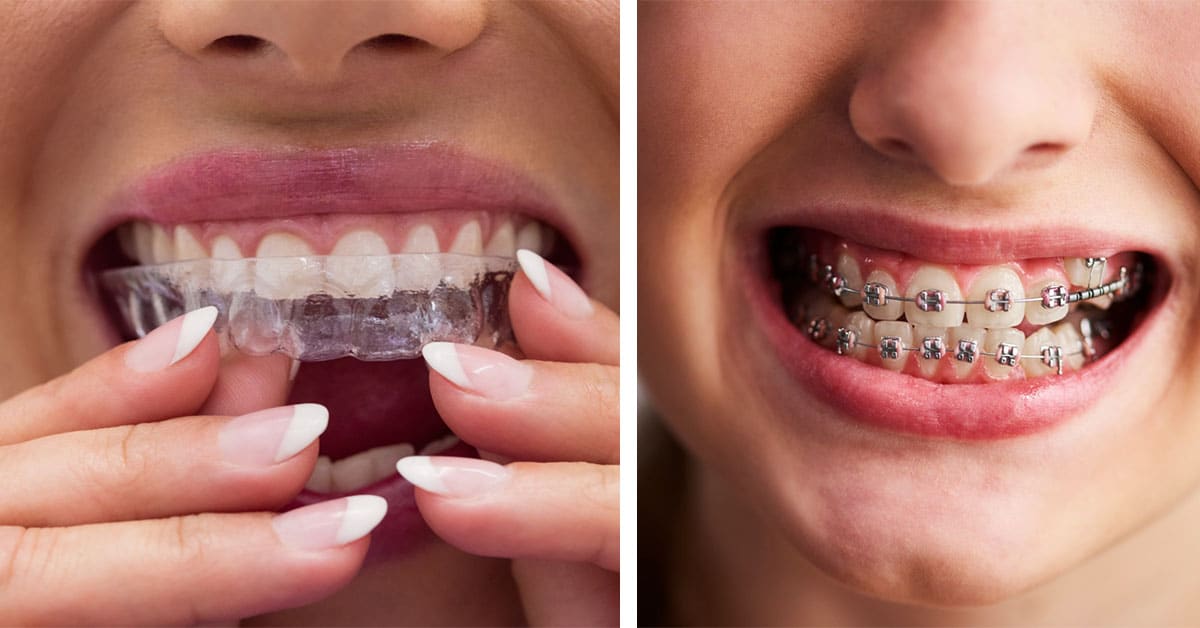
For kids who do need early intervention, the payoff shows up later: a shorter, simpler second phase of treatment with traditional braces or Invisalign once all the adult teeth are in, sometimes avoiding extractions or jaw surgery that would otherwise be needed as an adult.
What to Expect at Your Child’s First Visit
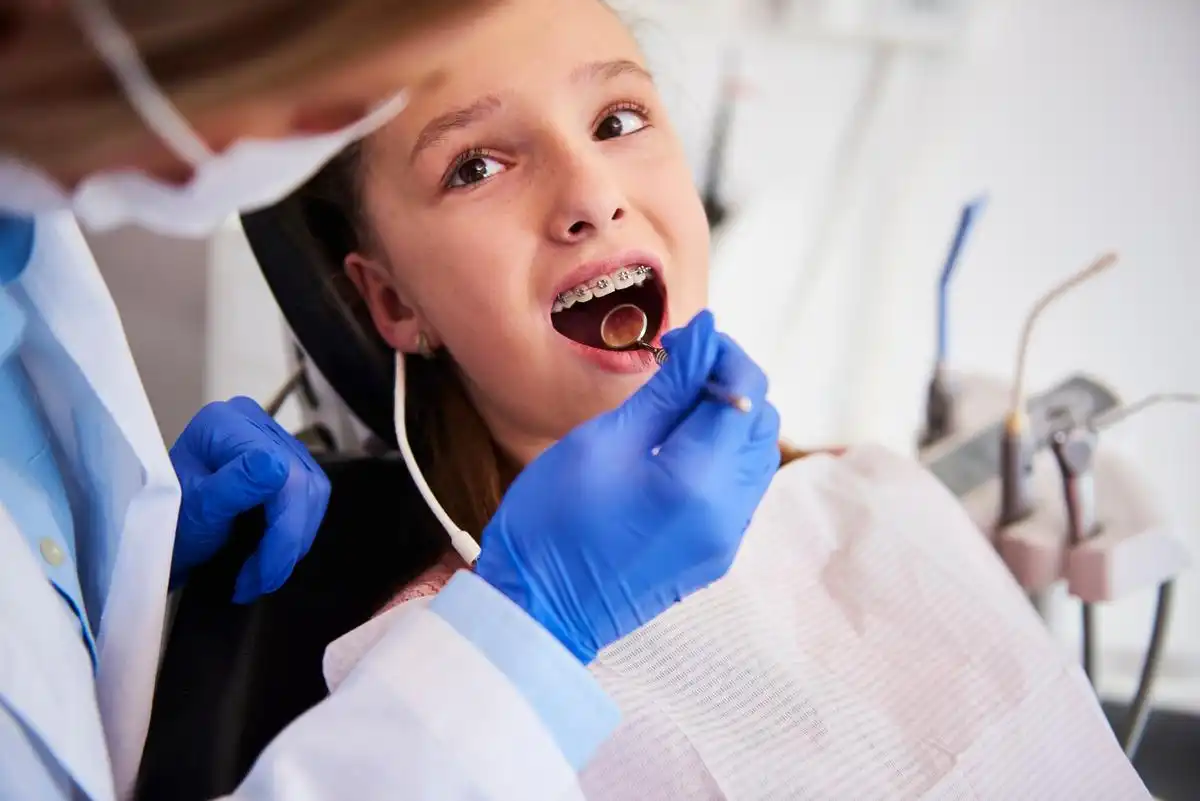
The first appointment is mostly conversation and a visual exam, not procedures. An orthodontist will look at how the teeth are coming in, check the bite, and may take a scan or X-ray if something needs a closer look. You’ll walk out with a clear answer: treat now, watch and wait, or nothing to worry about.
Grand Oaks Orthodontics has been treating Oakville families for more than 30 years, with evening appointments available for parents juggling school and work schedules. You can see a full breakdown of what happens at that visit on the what to expect page.
Cost and Financing for Early Treatment
Because interceptive treatment is a separate phase from full braces, many parents assume it doubles the cost of orthodontic care. In practice, an appliance used at age 7 or 8 is usually far simpler, and cheaper, than the surgery or extractions that might be needed if the same problem is left until the jaw stops growing.
Grand Oaks Orthodontics offers flexible payment plans, including interest-free options, so a two-phase treatment plan doesn’t have to mean two full payments up front. Details on plans and insurance coordination are on the insurance and financing page.
When Should You Schedule Your Child’s First Orthodontic Consultation?
The earlier potential orthodontic concerns are identified, the more options may be available for guiding healthy smile development. While not every child will need treatment right away, an early evaluation gives your orthodontist the opportunity to monitor growth, detect developing issues, and recommend the right timing if treatment becomes necessary.
If you’re wondering whether it’s time for your child to see an orthodontist, booking a complimentary consultation is the best place to start. A professional evaluation can provide peace of mind, answer your questions, and help your child enjoy a healthy, confident smile for years to come.
Frequently Asked Questions
Does my child need a referral from our family dentist?
No. Grand Oaks Orthodontics accepts self-referrals, so you can book a consultation directly once you notice a sign worth checking, without waiting for your next dental cleaning to bring it up.
Will early treatment mean my child avoids braces later?
Usually not entirely. Most kids who need early treatment still need a second phase of braces or aligners once their adult teeth are in, but that second phase tends to be shorter and more predictable because the underlying jaw problem was already addressed.
What if the orthodontist says my child doesn’t need treatment yet?
That’s a common outcome, and a good one. Many children are simply monitored with a check-up every six to twelve months until enough adult teeth have erupted to make a treatment decision.
Is the first consultation really free?
Yes. The initial orthodontic consultation at Grand Oaks Orthodontics doesn’t cost anything, and there’s no obligation to start treatment after it.
How do I know if what I’m seeing at home is serious?
If you’re noticing crowding, an early or late tooth loss pattern, or a jaw that shifts when your child bites down, it’s worth getting an orthodontic opinion rather than waiting to see if it resolves on its own.