6 Signs It’s Time to Remove Wisdom Teeth in Oakville
If you’re worried about wisdom teeth, we’ll show early signs, urgent red flags, and clear next steps—so Oakville families can decide with confidence.
Are Your Wisdom Teeth Whispering Warning Signs in Oakville?
So what do those early signs actually feel like? Picture your teen at Glen Abbey Library, hunched over a math workbook while the printer hums and a dull throb pulses behind the very back tooth. They keep chewing the same side, accidentally biting a puffy bit of gum, and notice a weird taste that mouthwash doesn’t fix. We see this every week.
Or it’s you in Kerr Village, latte in hand, and opening wide for a sip tugs at your jaw. Floss keeps shredding on that back tooth, and your breath feels off by noon even after brushing. Those are classic wisdom-tooth grumbles when a little gum flap traps food. We can help you sort pain from nuisance.
Next, we’ll break down six unmistakable signs, how serious each one can be, and exactly what to do in Oakville. We’ll also explain why these symptoms show up—and when watching is smarter than rushing to remove.
Why Wisdom Teeth Act Up in Your Late Teens and 20s
You asked why these symptoms show up—here’s the simple version. Wisdom teeth are your third molars, and they usually try to erupt between ages 16 and 25. Many modern jaws don’t leave much room back there. That’s why Oakville high school grads, Sheridan students, and new professionals often notice new aches right as life gets busier.
When a tooth runs out of space, it tilts forward or sideways and gets stuck partly under the gum. That awkward angle turns normal brushing into a struggle. Add late-night snacks, exam stress, or long workdays, and you’ve got a perfect storm for soreness and swollen gums around those back corners.
Complications can include impaction (stuck tooth), pericoronitis (gum infection over a half-erupted tooth), pressure damage to the second molar, and occasionally a fluid-filled cyst around the tooth. Early assessment helps us catch issues before they snowball and plan the least disruptive fix—sometimes that’s monitoring, sometimes it’s removal.
Now, let’s make this easy to spot with a quick six-sign checklist.
The Six Signs to Watch
Scan these red flags: pain behind back teeth, angry gums, bad breath or taste, jaw stiffness, pressure or new crowding, and sinus ache.
Sign 1 — Back-molar pain/sensitivity: Dull ache or sharp zaps behind second molars, worse with chewing or brushing.
Sign 2 — Red, swollen, or bleeding gums: Puffy gum flap over a half-erupted tooth that bleeds easily.
Sign 3 — Bad breath or bad taste: Food and bacteria trapped under gum flaps create stubborn odour.
Sign 4 — Jaw stiffness or limited opening: Morning tightness, tenderness, or feeling you can’t open fully.
Sign 5 — Pressure, shifting, or new crowding: Teeth feel tighter, contact points change, retainer suddenly fits differently.
Sign 6 — Sinus pressure, congestion, or ache (upper): Dull cheekbone ache or bend-forward pressure above uppers.
Even one sign that keeps returning is enough to check in. Below, we’ll unpack each symptom and show when to watch versus act.
Sign 1: Back-molar pain/sensitivity
Pain can feel two ways. Sensitivity is a quick zing with cold or brushing. Throbbing is deeper, lingers, and often signals inflammation or infection around a partially covered tooth. That gum infection is called pericoronitis (a sore, infected gum flap over the tooth). You might also feel pain-on-bite vs spontaneous pain at rest. It can even refer to your ear or temple, which is why earache without a cold sometimes traces back to a wisdom tooth.
What triggers it? A half-erupted tooth creates a tiny pocket that traps food and plaque, sparking swelling and tenderness. Think of a weekend of popcorn or nuts, followed by a Monday ache in the back corner. Pressure from a tilted tooth can also irritate the nearby second molar. If ibuprofen dulls it but it returns after meals or at night, that pattern points to a local gum-and-tooth issue rather than sinus or simple jaw tension.
- Location: Pain behind second molars, under the gum flap at the very back.
- Timing: Chewing or brushing hurts vs random throbs that come on at rest.
- Escalation: Night pain, waking from sleep, or pain that radiates to the ear.
If pain lasts more than 48–72 hours or keeps returning, schedule an exam with a panoramic X-ray so we can see position and roots.
Sign 2: Gum inflammation
A small gum hood called an operculum (a tiny flap over the tooth) can hang over a half-erupted wisdom tooth. Food sneaks under it, bacteria build up, and the tissue turns red, puffy, and tender. That’s pericoronitis, which simply means inflamed gum over a partially erupted tooth. You might notice bleeding when brushing, a bad taste, or soreness when you bite your cheek in that spot. Left alone, it cycles: calms down, then flares again.
Why does partial eruption drive inflammation? Because the tooth hasn’t cleared the gum line, brushing can’t fully clean the pocket. The flap rubs when you chew, creating tiny injuries that bacteria love. That inflamed pocket becomes a plaque trap, and each flare lasts longer. Saltwater rinses help, but they don’t fix the angulation or the trap. If flares are recurring, we discuss whether hygiene coaching and monitoring will work—or whether removal will prevent repeat infections.
- Colour: Red or dark pink margins around the back gum flap.
- Texture: Puffy, tender, or bleeds when touched.
- Function: Pain makes brushing or flossing the area difficult.
Sign 3: Bad breath or bad taste
When debris and plaque get trapped under that gum flap, oxygen levels drop. Low-oxygen bacteria (anaerobes) thrive there and release VSCs (volatile sulfur compounds—the smelly gases behind morning breath). That’s why you may wake with a sour taste or notice odour by lunchtime despite brushing. Floss can shred at the back, which is a clue there’s a rough edge or tight pocket catching food. Mouthwash masks it briefly but doesn’t clear the pocket itself.
Notice a friend stepping back during a chat after practice, or a partner mentioning a strange taste? That’s the social side of a plaque trap. If you can physically feel a little flap with your tongue or see food collecting around the back gum, the source is likely local—not your stomach. A gentle water flosser can help, but if odour returns within a day or two, we need to address the pocket, angle, and hygiene plan.
Book a cleaning, use an antimicrobial rinse (chlorhexidine if prescribed), and let us assess the wisdom tooth; repeated flare-ups deserve an extraction discussion.
Sign 4: Jaw stiffness or limited opening
Inflamed tissues around an impacted tooth can irritate nearby muscles and the TMJ (temporomandibular joint, the hinge of your jaw). You might notice morning tightness, trouble fitting two fingers between your front teeth, or tenderness when yawning. The body sometimes “guards” a sore area by limiting movement. If clenching during exams or long commutes adds strain, the tightness stacks up. Stiffness plus back-corner soreness often points us to the wisdom tooth area first.
Stiffness isn’t always the tooth alone, but it’s a common companion when a third molar is angry. The concern is function: difficulty eating, speaking, or cleaning. Early evaluation lets us ease inflammation, protect your bite, and rule out other causes. We’ll check opening range, muscle tenderness, and the tooth’s position on imaging. If needed, we’ll coordinate short-term anti-inflammatories, gentle jaw stretches, and a plan to fix the source—monitoring or removal—so function returns smoothly.
- Locking: Episodes where your jaw catches or “locks” partway open.
- Fever/swelling: Facial swelling or fever alongside jaw tightness.
- Numbness: Tingling in the lower lip or chin area.
Sign 5: Pressure, shifting, or new crowding
Let’s clear up a common myth: wisdom teeth don’t automatically crowd your front teeth. Natural settling and inconsistent retainer wear play a bigger role. That said, a tilted or impacted third molar can create pressure, inflame tissue behind the second molar, and complicate hygiene—conditions that make alignment less stable. The more irritated the back corner, the less your retainer gets worn. For many teens and young adults, early removal of problematic thirds protects gum health and makes sticking to retainers easier.
Post-orthodontic life is busy—co-ops, shifts, travel. If your retainer suddenly feels tight or doesn’t seat, that’s your early warning. We’ll assess whether the sensation is from posterior pressure, everyday settling, or true relapse. Then we’ll protect your alignment with a simple plan: recommit to nightly wear, adjust the retainer if needed, and time any wisdom tooth care around school breaks or sports. Small course corrections now prevent longer treatments later.
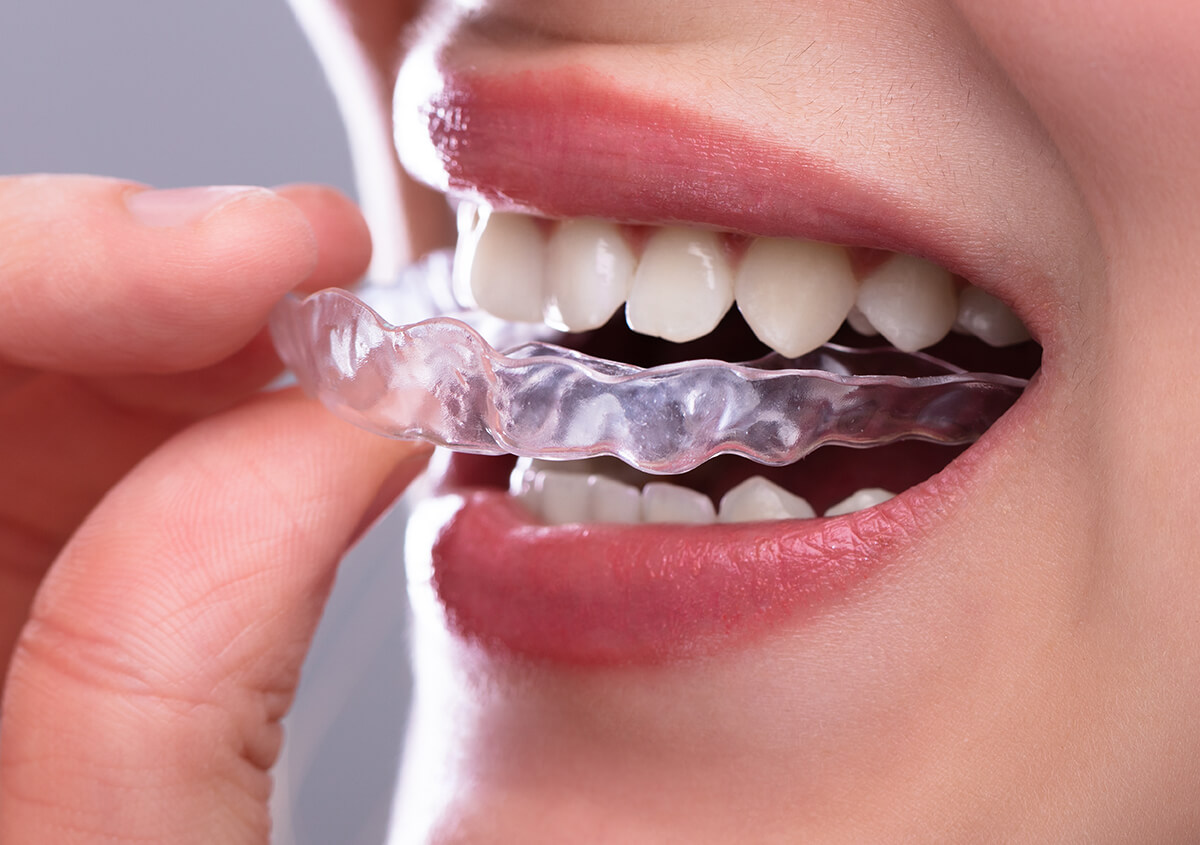
If mild crowding remains after healing, a short aligner refinement can straighten things efficiently. Ask us about Invisalign in Oakville for subtle touch-ups—often measured in weeks, not months—while we keep your retainers fitting comfortably.
- Tight retainer: Retainer feels tighter or doesn’t seat fully.
- New overlap: Lower front teeth start to overlap or twist.
- Bite change: Back teeth feel like they hit differently.
Sign 6: Sinus pressure, congestion, or ache
Your maxillary sinus (the air space above your upper back teeth) can sit close to upper molar roots. If a wisdom tooth presses or a nearby area is inflamed, you may feel cheekbone tenderness, bend-forward pressure, or a dull ache near the eye. When sinus-type symptoms persist near an upper wisdom tooth, we recommend a panoramic X-ray and often a CBCT (cone beam computed tomography—a 3D scan) to map root and sinus proximity safely.
How do we tell sinusitis (a cold-driven sinus infection) from a dental source? Dental pain often pinpoints to one side, worsens on chewing, and may show a sore gum pocket or decayed area on imaging. Sinusitis typically comes with nasal congestion, pressure on both sides, and cold symptoms. We’ll examine, test the tooth, and review images to confirm the source. If dental, we’ll plan care. If sinus-driven, we’ll guide you to your physician.
If sinus pressure comes with dental pain, swelling, or fever, call promptly. We’ll evaluate the area, coordinate imaging, and keep you safe while we decide next steps.
Why Waiting Often Makes Wisdom Teeth Harder, Costlier, and Slower
Use this quick matrix to match your symptoms with the safest next step and timing.
| Symptom scenario | Hidden risks | Recommended next step | Timing |
|---|---|---|---|
| Mild tenderness for 1–2 days after chewing near the back. | Food trapping under gum flap, early inflammation starting. | Schedule an assessment; focus on hygiene and gentle rinses. | Within 1–2 weeks. |
| Recurrent pain every month or two, flares after long days. | Repeated infection, decay risk on the second molar. | Book exam with panoramic X-ray to review position. | Within 3–5 days. |
| Facial swelling or limited opening; jaw feels tight. | Spreading infection, abscess, or cyst formation risk. | Urgent dental visit; antibiotics may be indicated. | Same day or within 24 hours. |
| Fever, pus, or foul taste with visible swelling. | Deep infection risk; potential airway or spread concerns. | Call emergency provider or seek hospital care immediately. | Immediate. |
Wisdom Tooth Emergency? What to Do in Oakville Now
If your symptoms land in the “Immediate” box—fever, facial swelling, difficulty opening (trismus, jaw tightness), or a foul taste/drainage—call us now. These point to an active infection, not just irritation. Example: pain wakes you at 2 a.m. and you can only fit two fingers between your front teeth. During office hours, we’ll triage and arrange same‑day care. After hours, if swelling or fever is significant, go to Oakville Trafalgar Memorial Hospital for assessment and antibiotics, then follow up with us for definitive treatment. If swallowing or breathing becomes hard, go straight to the hospital.
Until you’re seen, keep the area clean and reduce inflammation. Use a cold compress on the cheek 20 minutes on, 20 minutes off for the first few hours. Take over‑the‑counter pain relief as directed (ibuprofen and/or acetaminophen; avoid aspirin for teens). Keep your head elevated, sip water regularly to stay hydrated, and stick to soft, cool foods. Gently rinse with warm saltwater after meals—no forceful swishing, no straws, no poking the area. If you were prescribed antibiotics, start them exactly as directed and finish the course. We’ll take it from there.
For fast triage and clear next steps, visit our Emergency Dentist in Oakville page.
How We Decide: Watch or Remove
Once urgent symptoms are under control, the next question is simple: watch or remove? At your assessment, we start with your story—when flares happen, what you’ve tried, school or sports you need to plan around. Then we examine the back gums and bite, and take a panoramic x‑ray (a wide 2D image) to see tooth angles and roots. If we need more detail, we add a CBCT (cone‑beam 3D scan) to map the nerve in the lower jaw and the sinus above upper molars. We review anatomy, space, and age together, then talk options in plain English.
We personalize the decision using our three clocks: symptom clock (pain and infections now), growth clock (root and bone maturity), and space clock (room and angulation). In many teens, ideal timing is when roots are one‑third to two‑thirds formed—removal is simpler and healing is faster. But if a tooth is healthy, upright, and cleanable, monitoring with hygiene coaching is often best. Close to a nerve or sinus? We’ll weigh risks, or consider staged approaches with the surgeon. You’ll see your images on screen, ask questions, and leave with a clear plan—no pressure, just evidence‑based guidance.
| Impaction type | Typical symptoms | Extraction difficulty | Common recommendation |
|---|---|---|---|
| Vertical (erupting straight) | Mild tenderness; occasional food trapping under gum flap. | Lower. | Monitor; simple extraction if issues recur. |
| Mesioangular (tilted forward) | Pressure on second molar; food impaction; sore gum. | Moderate. | Extraction recommended to protect the adjacent tooth. |
| Distoangular (tilted backward) | Gum flap irritation; pericoronitis (inflamed, sore gum over tooth). | Moderate. | Extraction often recommended if inflammation keeps returning. |
| Horizontal (lying sideways) | Jaw stiffness; pressure on second molar; cyst risk. | Higher. | Surgical extraction recommended; timing based on risk and age. |
Comfort matters. We match anesthesia to the procedure, your health, and stress level after reviewing images and medical history. With our surgical partners, we choose the safest option. Next, we map out procedure day so there are no surprises.
- Local anesthesia: Numbing only with shots; you’re awake; fastest recovery for simple cases.
- Oral sedation: Anti-anxiety pill with monitoring; good for moderate anxiety and longer appointments.
- Nitrous oxide: Laughing gas; adjustable, quick on/off; minimal downtime for straightforward extractions.
- IV sedation: Deeper relaxation with an anesthetist; fasting and adult escort required; best for surgical cases.
Procedure Day: Exactly What Happens
Since we’ve already chosen your anesthesia, here’s the simple, step‑by‑step flow on removal day—so you know who does what, how long it takes, and when you head home.
Step 1: Check-in — Arrive 10–15 minutes early for paperwork, ID check, and a review of your medical history, fasting status, and ride home.
Step 2: Imaging & plan — We confirm position on your panoramic or 3D scan, answer questions, review risks/benefits, and you sign consent when comfortable.
Step 3: Anesthesia — Local numbing, nitrous (laughing gas), or IV sedation begins; you’ll feel pressure, not pain, and monitors track comfort and vitals.
Step 4: Extraction — The surgeon gently loosens the tooth; if needed, sections it for easier removal, protecting bone and the nearby second molar.
Step 5: Closure — Dissolvable stitches as needed, fresh gauze, and a personalized pain plan; we review meds, ice timing, and what’s normal to see.
Step 6: Discharge — You’ll get written aftercare, a starter kit, and our contact info; your escort signs you out and drives you home safely.
Good to know
Most Oakville patients tell us the day felt quicker and easier than expected. Good prep, a calm team, and clear aftercare make difference—you’re usually in and out in an hour. Next up: your day-by-day recovery plan.Request a wisdom teeth assessment
Recovery and Aftercare: Day-by-Day Guide
You asked for a day-by-day recovery plan—here it is. Most healthy teens and adults feel normal within a week with simple care. We’ll also cover when to restart retainers.
- Day 0–1: Bite gauze 30–45 minutes, ice 20 on/20 off, head elevated. Soft, cool foods. Start meds as directed. Nap, no strenuous activity.
- Day 2–3: Swelling peaks—this is normal. Switch to warm compresses, keep meds on schedule, begin saltwater rinses after meals. No straws or hard foods.
- Day 4–5: Soreness eases. Add soft foods; chew away from extraction sites. Brush other teeth gently; continue rinses. Light walks okay, avoid contact sports.
- Day 6–7: Most return to school or desk work. Resume normal brushing as comfortable. Hold off heavy lifting, HIIT, or scrimmage if soreness lingers.
- Weeks 2–3: Gums tighten and close; tenderness fades. Stitches usually dissolve; if not, we’ll remove them quickly. Resume full activity once cleared by surgeon.
Quick do’s and don’ts to keep healing smooth—and avoid dry socket or setbacks.
- Do: Sleep propped on two pillows the first night and sip water regularly.
- Do: Choose yogurt, smoothies with a spoon, mashed potatoes, scrambled eggs, and soup once warm.
- Don’t: Smoke or vape for 3–5 days—both slow healing and raise dry socket risk.
- Don’t: Use straws or spit forcefully; keep blood clots undisturbed to protect healing sockets.
Protect Your Smile Long Term
Once those blood clots are safe and the sockets are settling, the focus shifts to keeping your smile stable. So how do you protect alignment while everything calms down? Teeth naturally drift a little over the years—retainers counter that, not just wisdom teeth. Your bite will adapt for a few weeks, so we recheck retainer fit at your healing visit and again around 6–8 weeks. Plan on nightly wear (8–10 hours) and angled brushing around the back molars. Small habit, big payoff.
Consistency wins: wear it every night, store it clean and dry, and bring it to appointments. We suggest quick retainer check-ins every 6–12 months; a 10‑minute review catches tiny shifts before they become projects. Grind or clench? We’ll guide you on a nightguard versus retainer plan. In a moment, you’ll see how we used this playbook for a Glen Abbey student during soccer season.
To safeguard your results, keep your Retainers routine simple and nightly—we’ll check fit and make backups when needed.
- Edges catching: Minor edges snag on lower lip while talking—tiny rotation starting.
- Rotations return: A tooth twists slightly over months; retainer feels tighter at night.
- Bite feels off: Chewing is easier on one side; taps don’t feel even.
From Off-Bite to Back on Field
If your bite feels off, this will sound familiar. A Grade 12 from Glen Abbey came in between tournaments with on-and-off gum flares behind the lowers and a tight retainer. That was recurring pericoronitis—an inflamed gum flap over a half-erupted wisdom tooth—made worse after late games and fast meals. We took a panoramic x-ray (wide image of the jaws), checked space and angles, and sat down with her schedule. Together, we coordinated removal with our oral surgeon over March Break, chose IV sedation for comfort, and set a retention plan so alignment stayed protected.
Recovery surprised her. She returned to class on day 3; light practice started day 4—no contact, just drills and cardio. At one week, swelling was down, stitches were dissolving, and the retainer seated after a tiny trim. Full training resumed at 10–14 days per the surgeon’s guidance. If your family is juggling playoffs and exams, this timeline is typical. “It was way smoother than we expected—having the plan set around soccer made all the difference.”
Some smiles—especially with complex crowding or bite issues—need fixed appliances to fine-tune alignment after healing; explore options at braces in Oakville and we’ll map the simplest path.
Oakville Wisdom Teeth FAQ
Before you decide on monitoring, removal, or a small brace tune-up, you probably still have questions. Here are the ones Oakville families ask us most.
- Do all wisdom teeth need removal?: No. If they’re healthy, upright, and cleanable, we monitor with hygiene coaching and periodic X‑rays. We recommend removal when pain, infection, decay, or damage to the second molar risks your long‑term health.
- What’s the best age to remove them?: Often late teens to early 20s—roots are 1/3–2/3 formed, bone is softer, and healing’s faster. Adults can still do well; we’ll tailor timing to your health and imaging.
- How long will I be off school or work?: Plan 2–3 days for most teens and desk jobs; soreness peaks days 2–3. Contact sports and heavy lifting wait 5–7 days, or as your surgeon advises.
- What does it cost and is it covered?: Fees vary by tooth position and anesthesia. Many dental plans cover a portion; we’ll pre‑estimate with your details. OHIP (Ontario Health Insurance Plan) doesn’t cover routine dental extractions.
- Will removal change my face shape?: No. Taking out wisdom teeth sits far back and doesn’t alter cheekbones or jawline. The goal is health—preventing infections, cavities, or bone defects behind second molars.
- Can wisdom teeth make teeth shift after braces?: They don’t automatically crowd your front teeth. Pressure and hygiene issues can complicate retention, though. If minor movement happens, we use retainers or aligner touch‑ups to realign and maintain stability.
- What if I’m anxious about surgery?: You’re not alone. We offer local numbing, nitrous (laughing gas), oral sedation, and IV sedation (deeper relaxation). You’re monitored throughout, and we’ll walk you through every step beforehand.
Ready for step-by-step guidance? Book your Oakville assessment now
Wherever you are—River Oaks, Bronte, Kerr Village, or Joshua Creek—we’ll make this easy. Many families get same‑week assessments, often with a panoramic x‑ray included. Prefer low‑key? Book online in under two minutes, or call us. Have recent dental x‑rays? Email them ahead and we’ll review before you arrive.
Book my wisdom teeth assessment